
The Joy of Discovery
Children have a natural desire to explore the world around them. Questions often appear where adults might see ordinary things, and simple observations can quickly become opportunities for discovery. At Four Leaves International School Tokyo (FLIST), nature activities encourage students to follow that curiosity, transforming ordinary encounters with the world into experiences that feel meaningful and memorable.
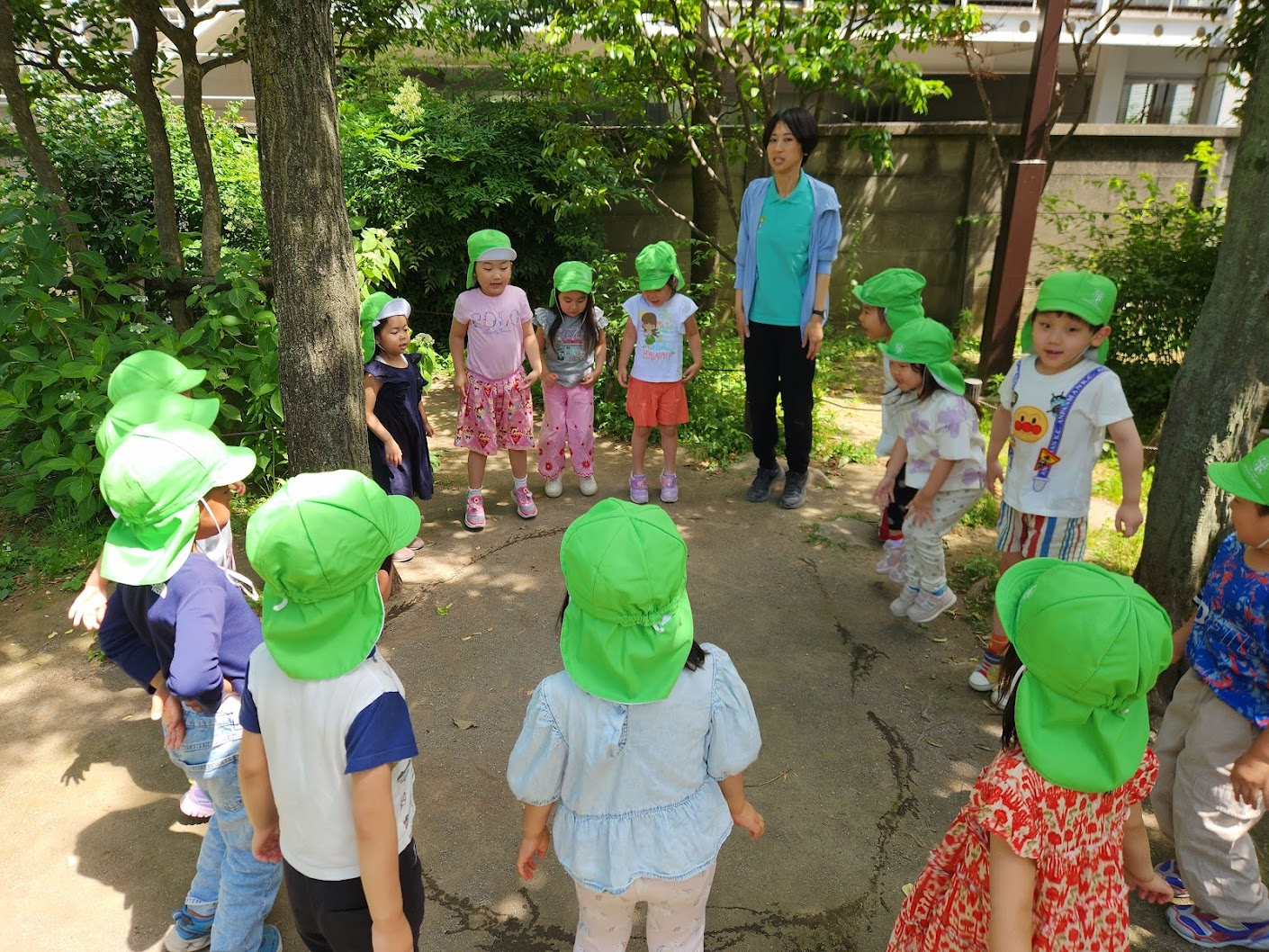
Nature lessons often begin with something surprisingly simple. Recently, a simple question about ants quickly transformed into an energetic discussion. Students eagerly shared observations about where ants live, what they look like and where they usually see them. As the conversation continued, new questions naturally emerged, leading children to explore different types of ants and the roles they play within the colony. What began as a familiar insect gradually became something worth investigating more closely.
One of the most fascinating things about young children is how quickly curiosity can take over. An unexpected discovery can suddenly become far more exciting than the activity they were doing only a minute before. Simple observations can grow into a stream of questions, ideas and conversations as children work together to understand what they have found. In those moments, learning feels less like instruction and more like genuine exploration.
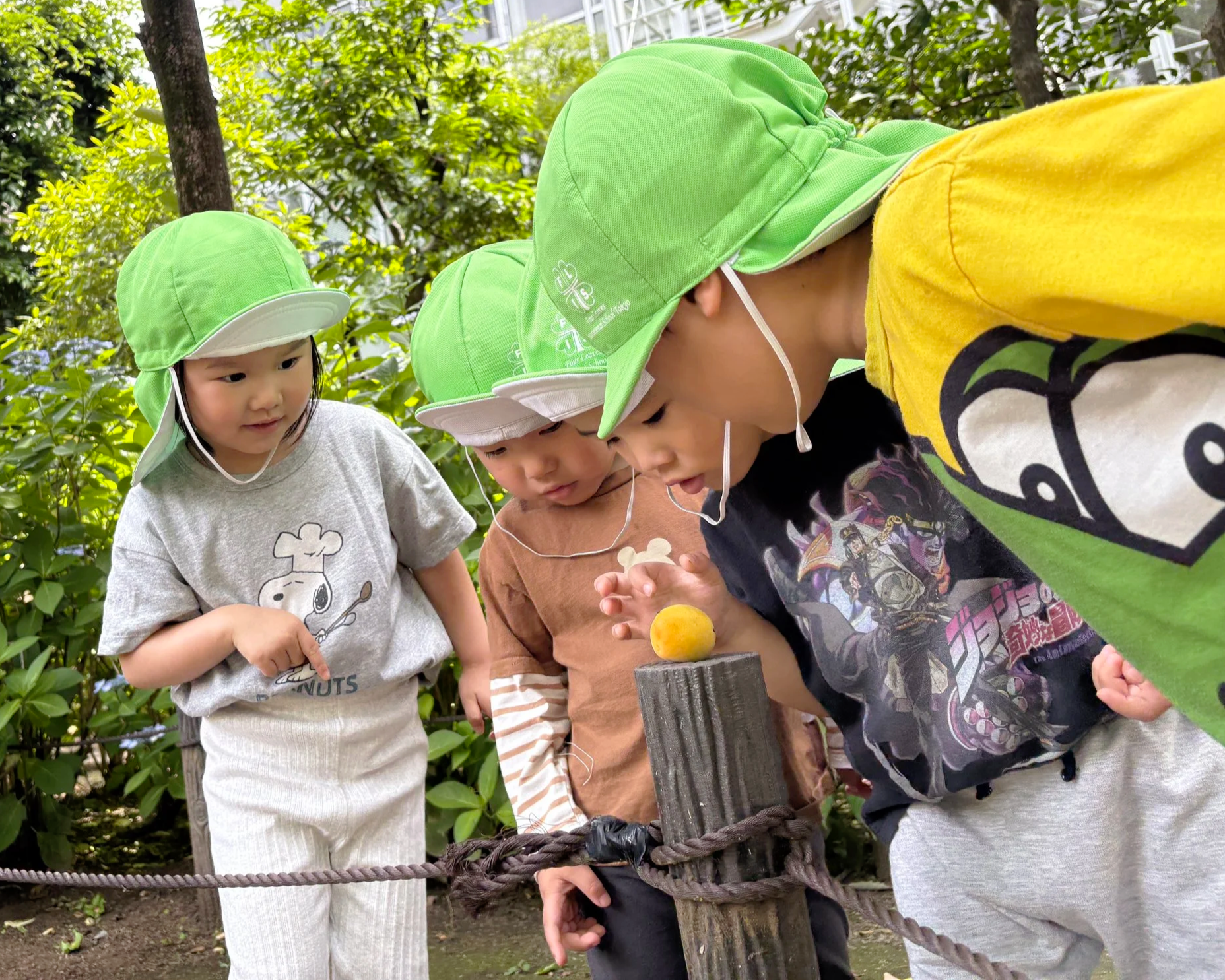
"Following a question together"
Part of what makes childhood so special is the freedom to be fascinated by new things. A question does not need to be important to be interesting, and an answer rarely marks the end of the conversation. Instead, each discovery opens the door to new questions and possibilities. Situations like these remind us that learning is not always about receiving information. Sometimes it begins with noticing something interesting and wanting to know more.
Curiosity rarely stays confined to a single lesson. Whether observing a natural object, investigating a scientific concept or discussing a classroom experiment, students are continually invited to ask questions and think about why things happen. That desire extends beyond the classroom as children begin paying closer attention to the world around them, noticing details they may have overlooked before and continuing conversations long after the activity has ended.
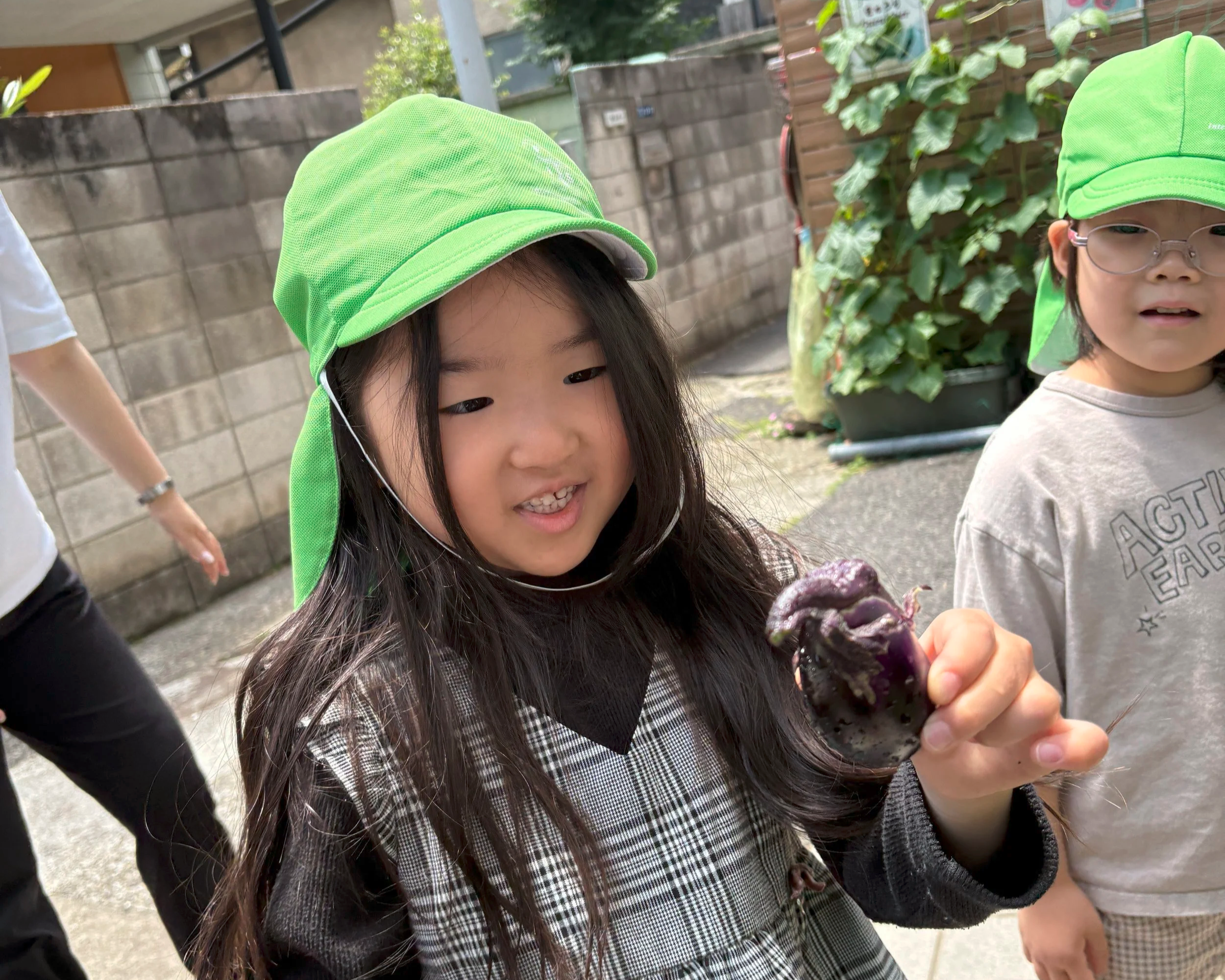
"A discovery worth sharing"
A child's sense of wonder is one of the most remarkable parts of early childhood. The desire to explore, ask questions and discover something new can make everyday experiences feel extraordinary. FLIST’s supportive environment creates the space needed for that curiosity to grow. By encouraging children to investigate the world around them, learning becomes something more than simply finding answers. It becomes the joy of discovering them for the first time.
